The best Matter devices for expanding your smart home network
2026 Update
Matter is no longer just a promise: today there are relays, plugs, lights, sensors and locks that can link up with Apple Home and Home Assistant without relying on a proprietary bridge. Even so, Matter doesn’t automatically turn an old device into a multiprotocol one, and Thread isn’t the same thing as Matter.
To see how they coexist in a real home, check out my current Apple Home and Home Assistant setup and the HomeKit news in iOS 27.
A few days ago I had a problem with my Home Assistant setup. In short, what happened was that the hard drive’s file system got corrupted, probably due to a Home Assistant update that didn’t complete properly, but the fact is I had the whole system down for quite a while. I already talked about it on the podcast and in the corresponding blog post, but in the end it took me about 1 hour to fix it… and during that hour, the 35 devices that depend on Home Assistant weren’t accessible. However, from the Home app in HomeKit, I could still see the rest of my native HomeKit devices and, of course, the Matter devices, since they’re capable of connecting simultaneously to both platforms, both HomeKit and Home Assistant.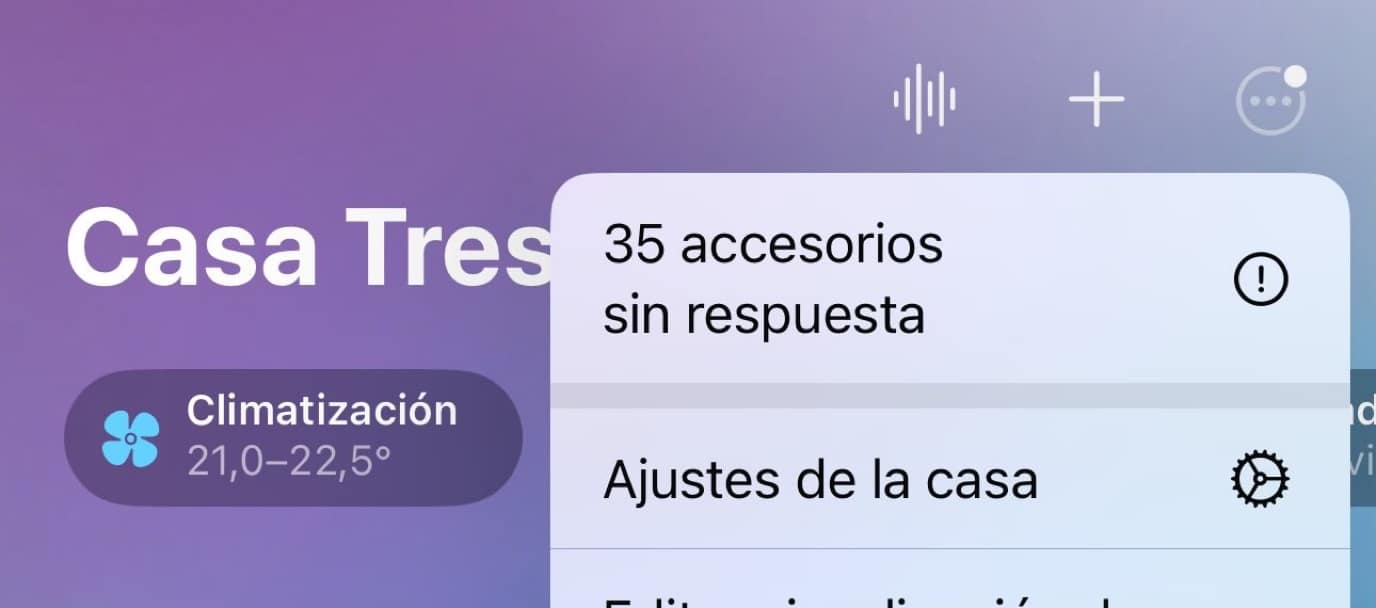
What would have happened if the setup had broken down completely?
Imagine if the NUC where I have Home Assistant installed had broken down completely. I don’t know… the processor or the RAM burns out or something like that, any physical failure you can’t fix in 1 hour. I could have bought the original bridges for the Zigbee devices I have, basically Aqara and Philips Hue, and paired the devices again with their respective bridges, which are indeed HomeKit-compatible.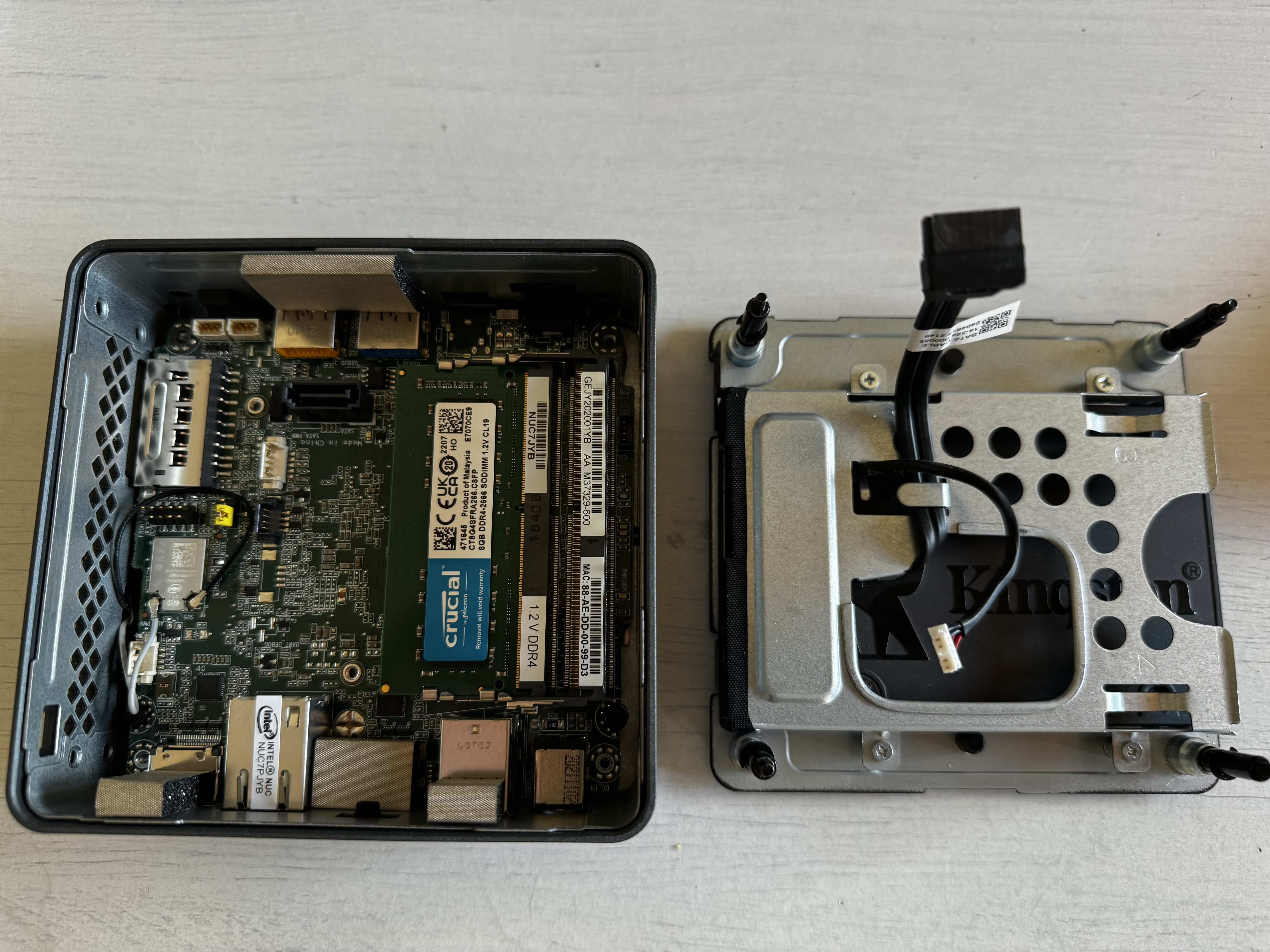
Why don’t Zigbee devices compatible with Matter exist?
Basically it’s because Zigbee devices need a specific antenna, which is why manufacturers like Aqara or Philips Hue need either to use their own bridge or a compatible 3.0 bridge, which is the function Home Assistant performs. However, modern devices like Apple’s HomePods, the Apple TV 4K, the latest Echo devices from Amazon and even the Google Nest Hub already have a Thread antenna, so we don’t need any other bridge to link those devices.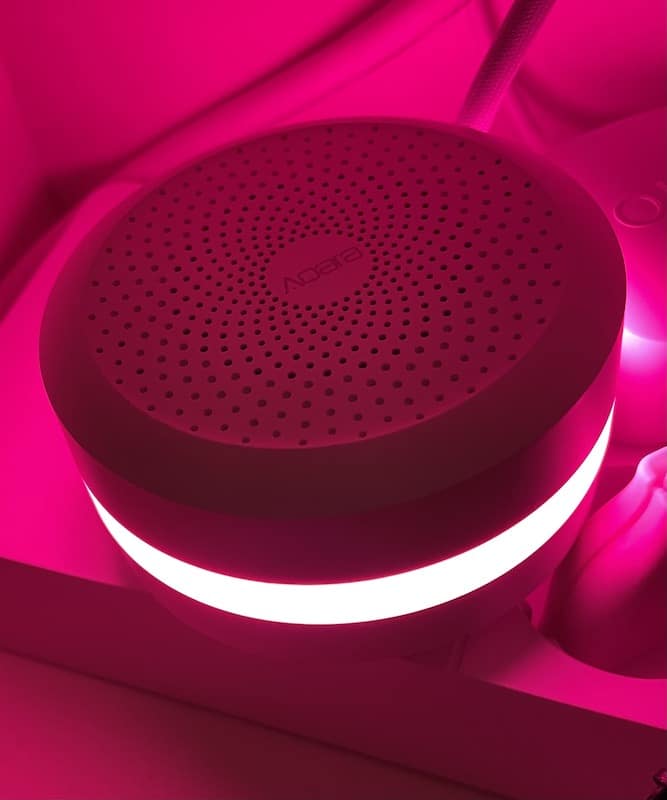
And what about Matter-compatible bridges?
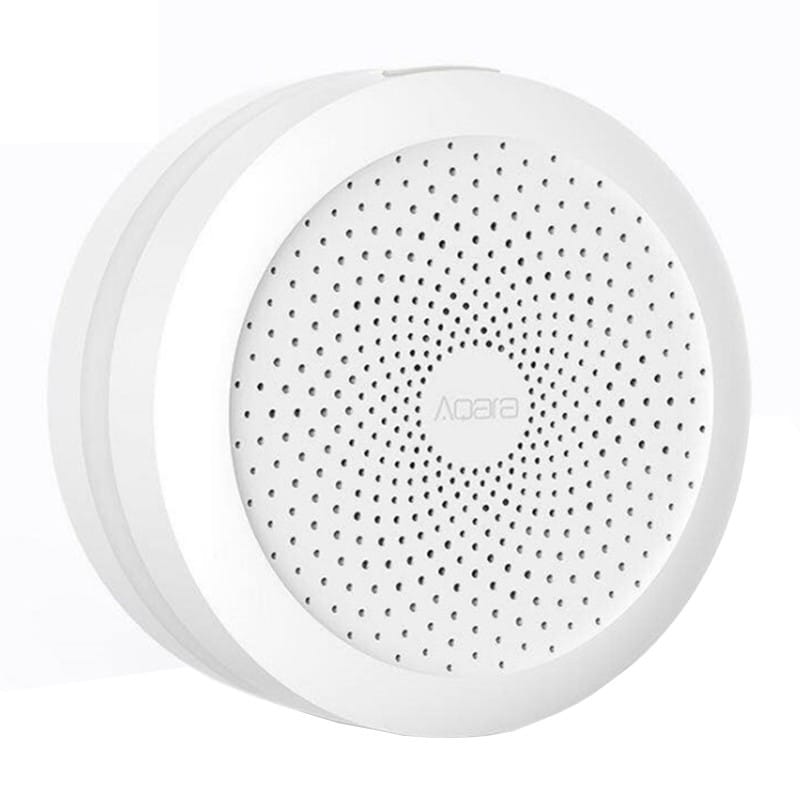
It’s a way for us to have a bunch of old devices with Zigbee connectivity (which are cheaper than Thread and Wi-Fi ones, let’s be honest) be able to connect to several platforms simultaneously regardless of whether it’s HomeKit, Home Assistant, Google, etc. If you have a bunch of Zigbee devices that work perfectly… well, you’re not going to go and replace them all (I am going to, but only because I’m an idiot), so the easiest thing is to swap the bridge for one that’s Matter-compatible, so that bridge can link up with any platform and publish all the devices connected to it there.
Shelly and Matter: what’s changed
When I published the first version of this guide, the Shelly devices I used didn’t offer Matter and I relied on HAA or Home Assistant. That’s changed: the Shelly 2PM Gen4 comes with Matter built in and can be controlled from Apple Home through this standard, on top of working for blinds and measuring power consumption. If you already have Shelly 2.5 devices, you don’t need to toss them: they can keep working through Home Assistant and HomeKit Bridge. For a new purchase, I’d go with a Matter-compatible Gen4 model rather than flashing an old device. Let me say upfront that there are many brands of devices jumping on the Matter bandwagon, some cheaper and some pricier than the ones I’m listing here… but these are the ones I have experience with. I usually avoid super cheap brands (the typical compatible Chinese bulbs from super obscure brands) and also manufacturers that cost a fortune, like Legrand, which has a whole platform for making your home lights smart but it’s extremely expensive and strays from the ‘homely’ idea.Lights
During my Home Automation Consultations I’ve noticed that there are a lot of LED strip fans out there. That’s not my case, usually at home we have soft, always warm light, I don’t even bother changing the bulb temperature throughout the day because I really don’t like white light except in the kitchen. In any case, there are interesting Matter-compatible products that let you expand if needed (you can keep connecting LED strips to each other): The Nanoleaf Matter Essentials, which we can buy directly on Amazon for €64 for the 5-meter strip. I really like this brand, I’ve had some ‘essential’ bulbs for years and honestly they work really, really well, although mine, despite being Thread, never got updated to Matter. In any case, the LED strip connects via Thread and is Matter-compatible without any issues.
Smart switches
By 2026 there are already Matter-compatible switches and relays. It’s worth distinguishing between a native Matter device, which links directly with compatible ecosystems, and a Zigbee switch that needs a manufacturer’s bridge even if that bridge publishes its accessories via Matter. To reduce dependencies, I prioritize native Matter relays behind conventional switches.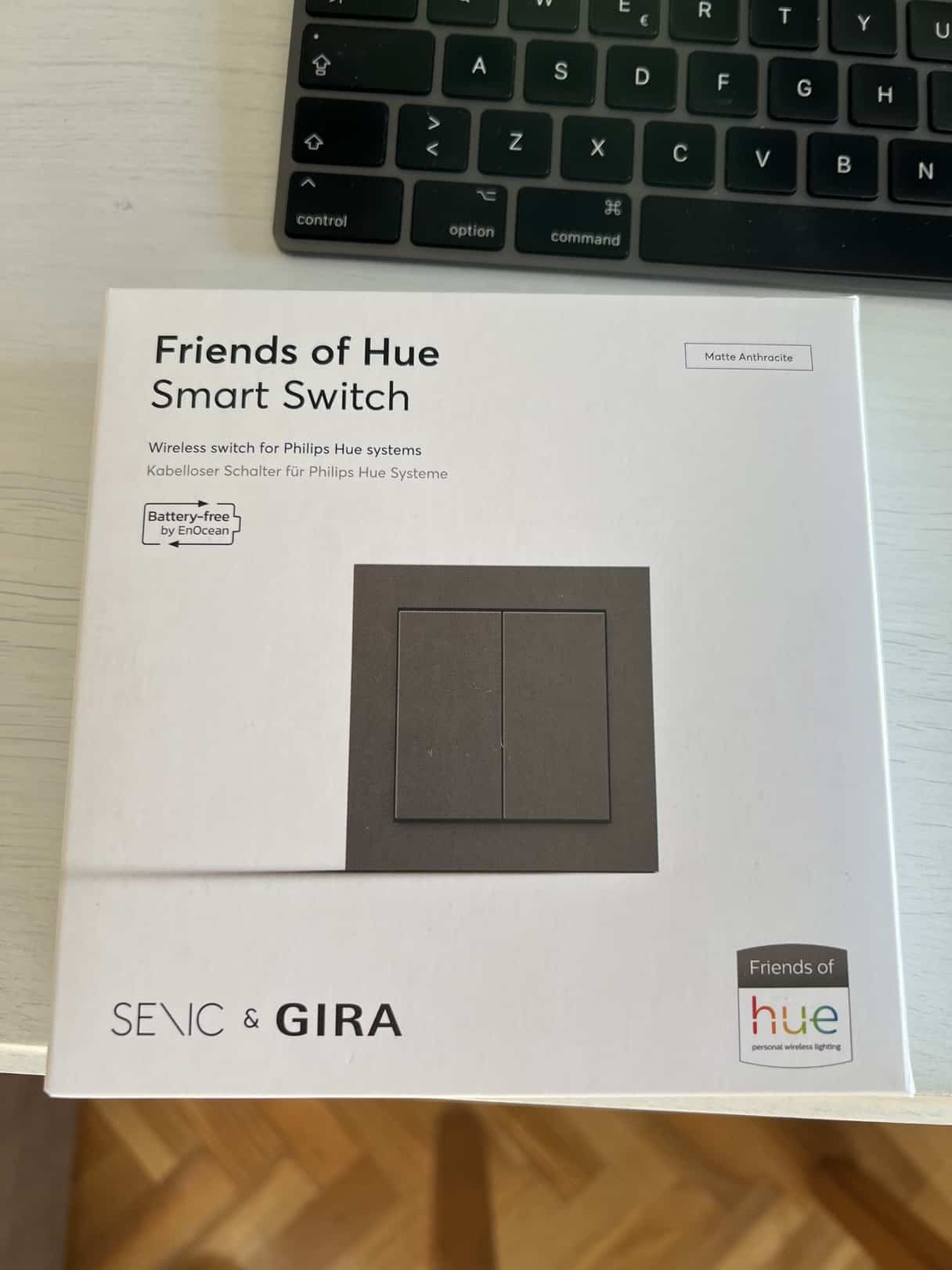
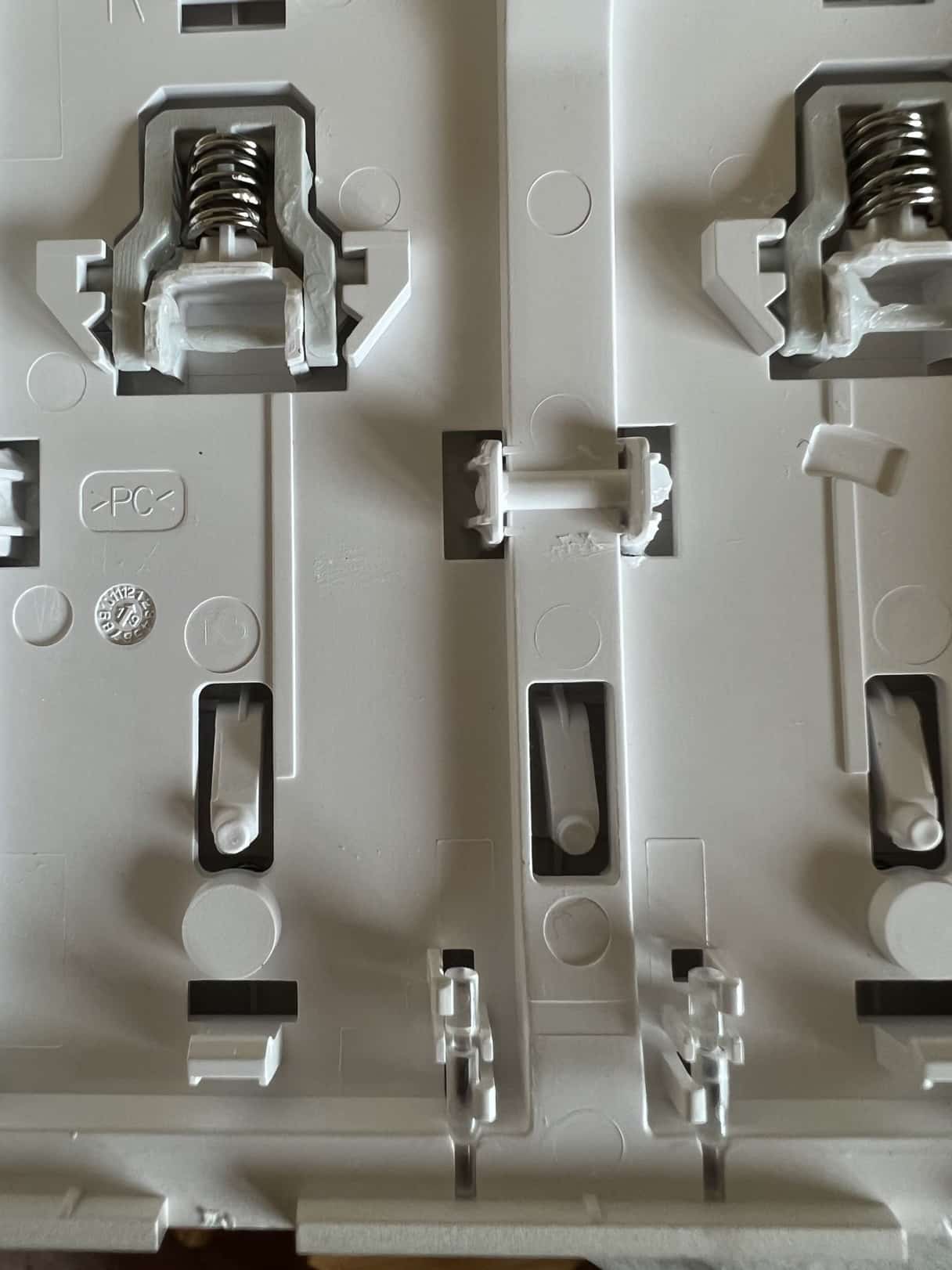
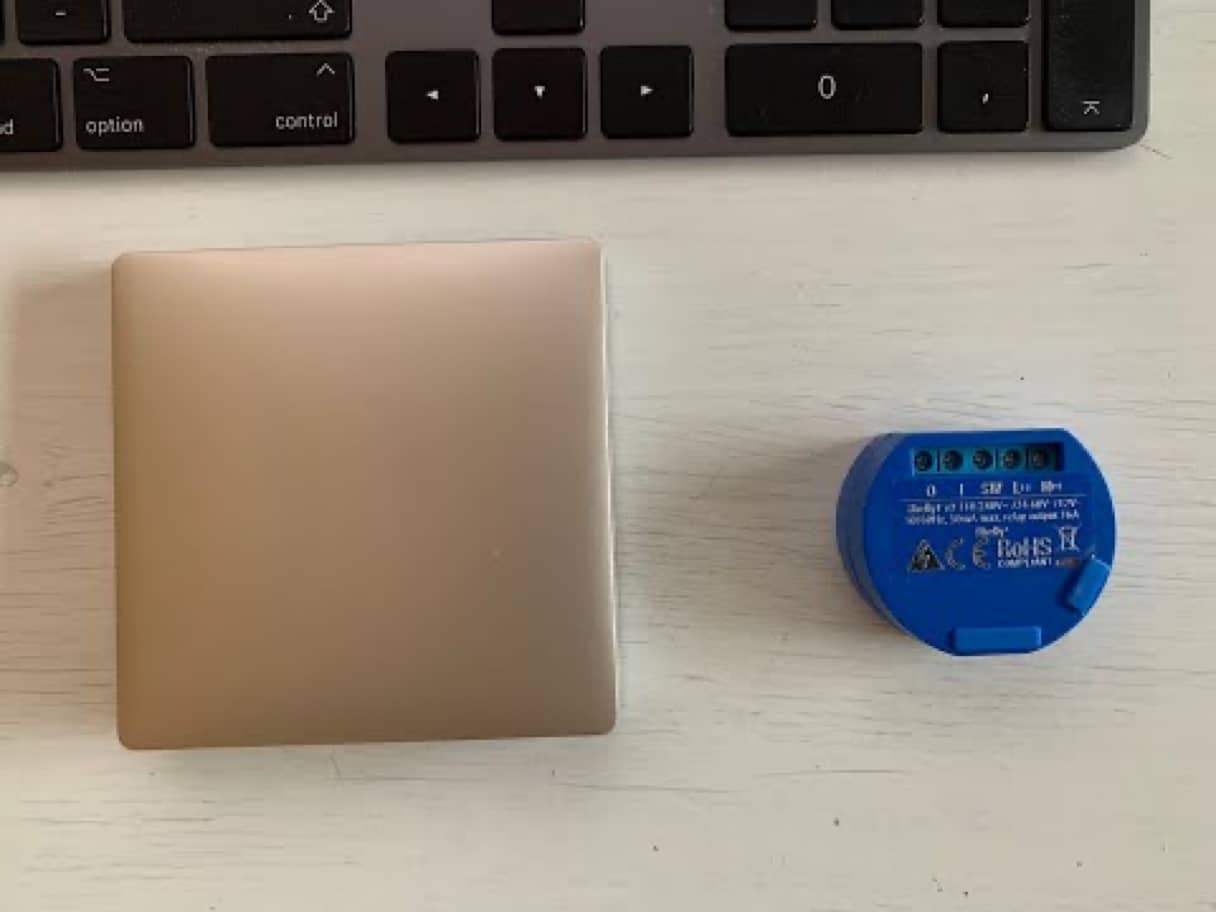
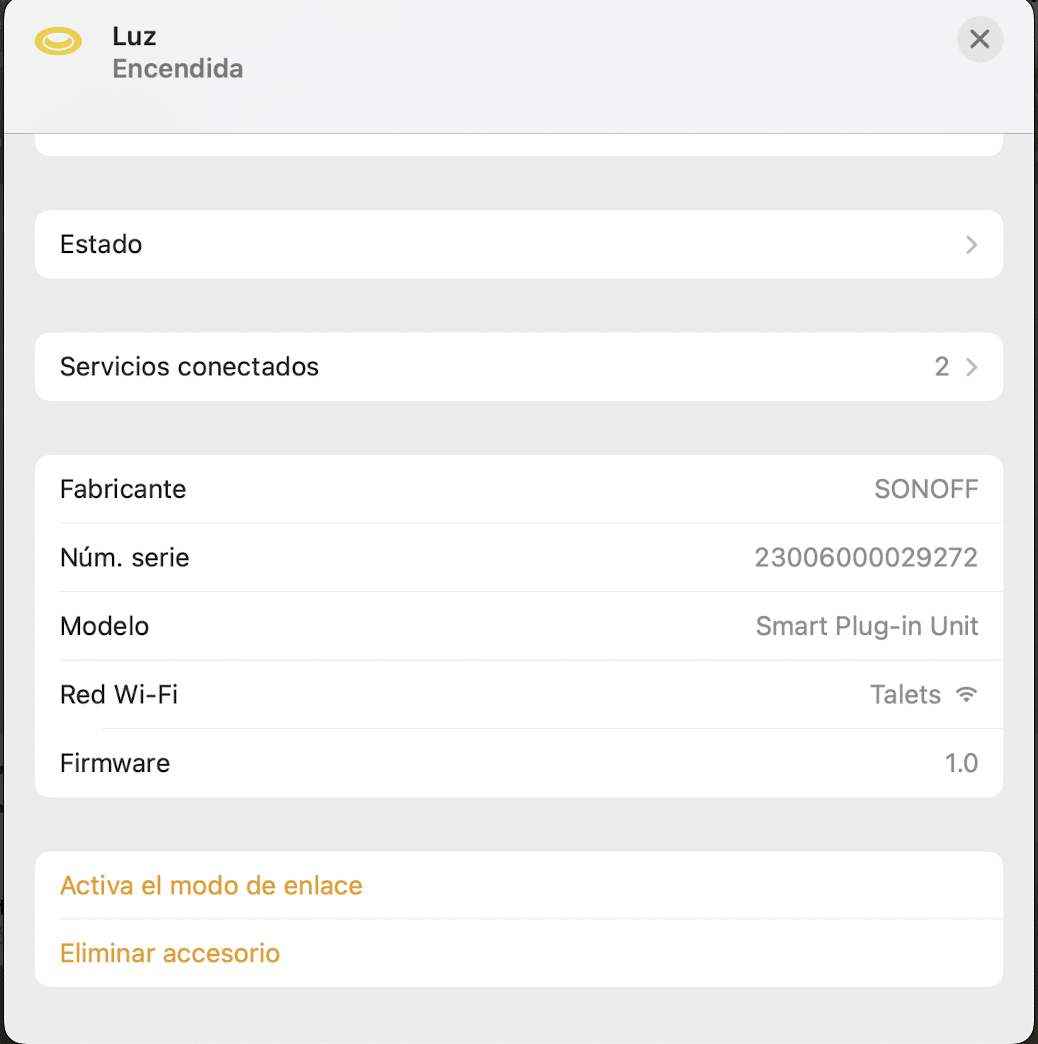

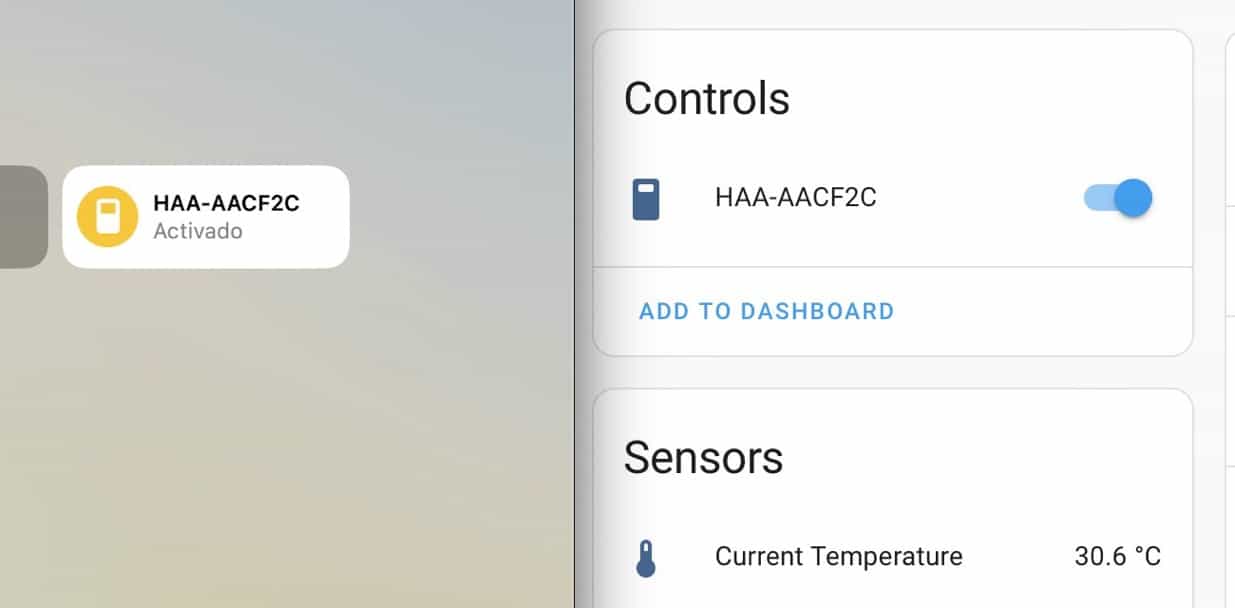
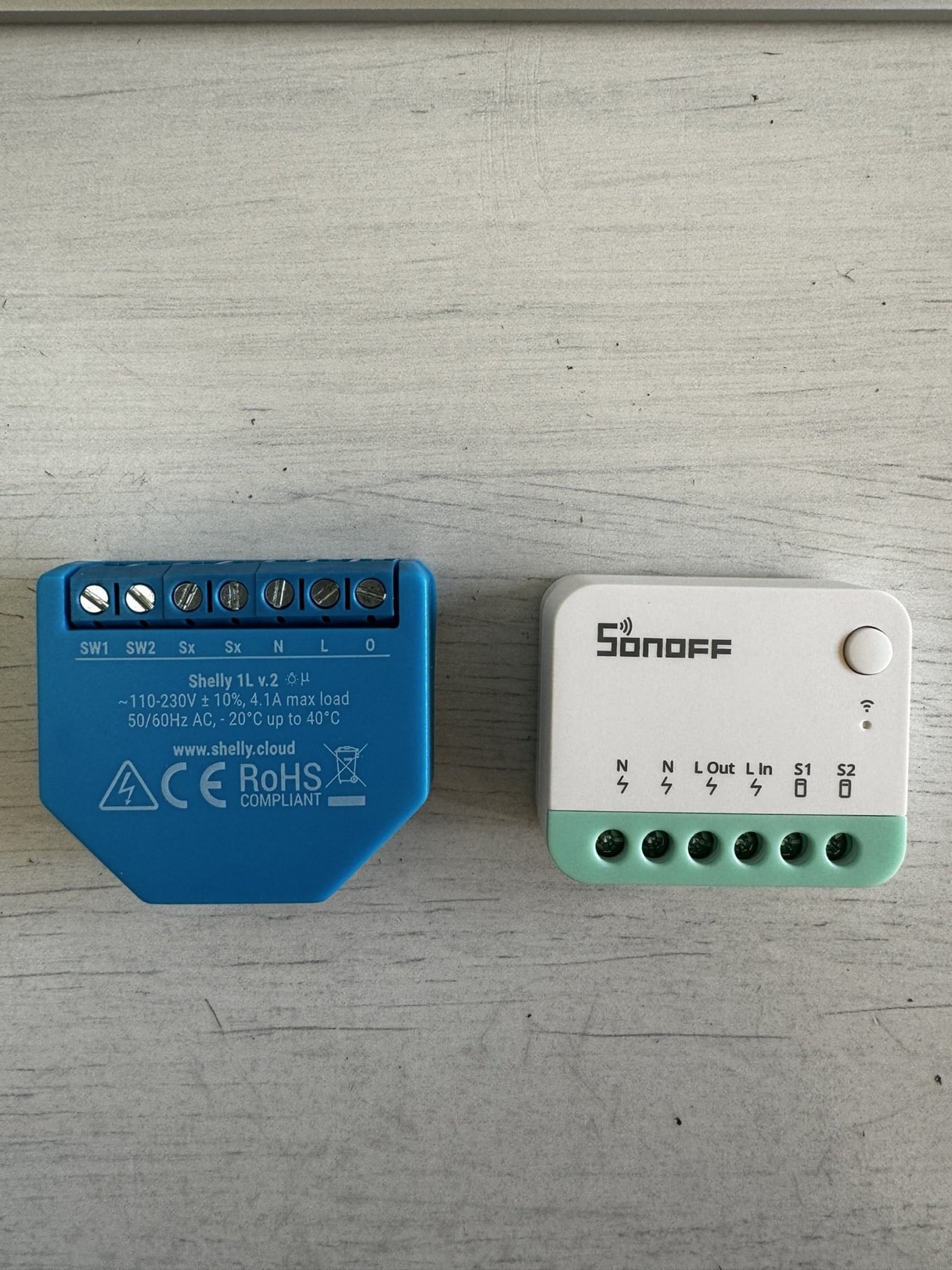
To buy the Shelly devices, you can do so at https://shellyspain.com and with the code SAHUQUILLO you’ll also get an extra 10% off.Others, like for example the Philips Hue or Aqara ones, «claim» to be Matter but aren’t, since they need the manufacturer’s original bridge or a universal bridge like Home Assistant.
Presence and motion detectors
Here we need to differentiate between a regular old-school motion sensor, like the ones in bar bathrooms where the light turns off as soon as you stay still, and presence sensors, which know whether you’re in the room even if you’re not moving. I think that for our day-to-day stuff like turning lights on and off, arming the alarm, locking the door, etc. a motion sensor is more than enough… but it’s true that in home automation consultations sometimes scenarios come up like my dog might be in the living room but sleeping, so I don’t want the heating to turn off just because there’s technically someone home and I need the house to stay nice and warm… and a motion sensor wouldn’t detect that. Also, presence sensors allow forPlugs
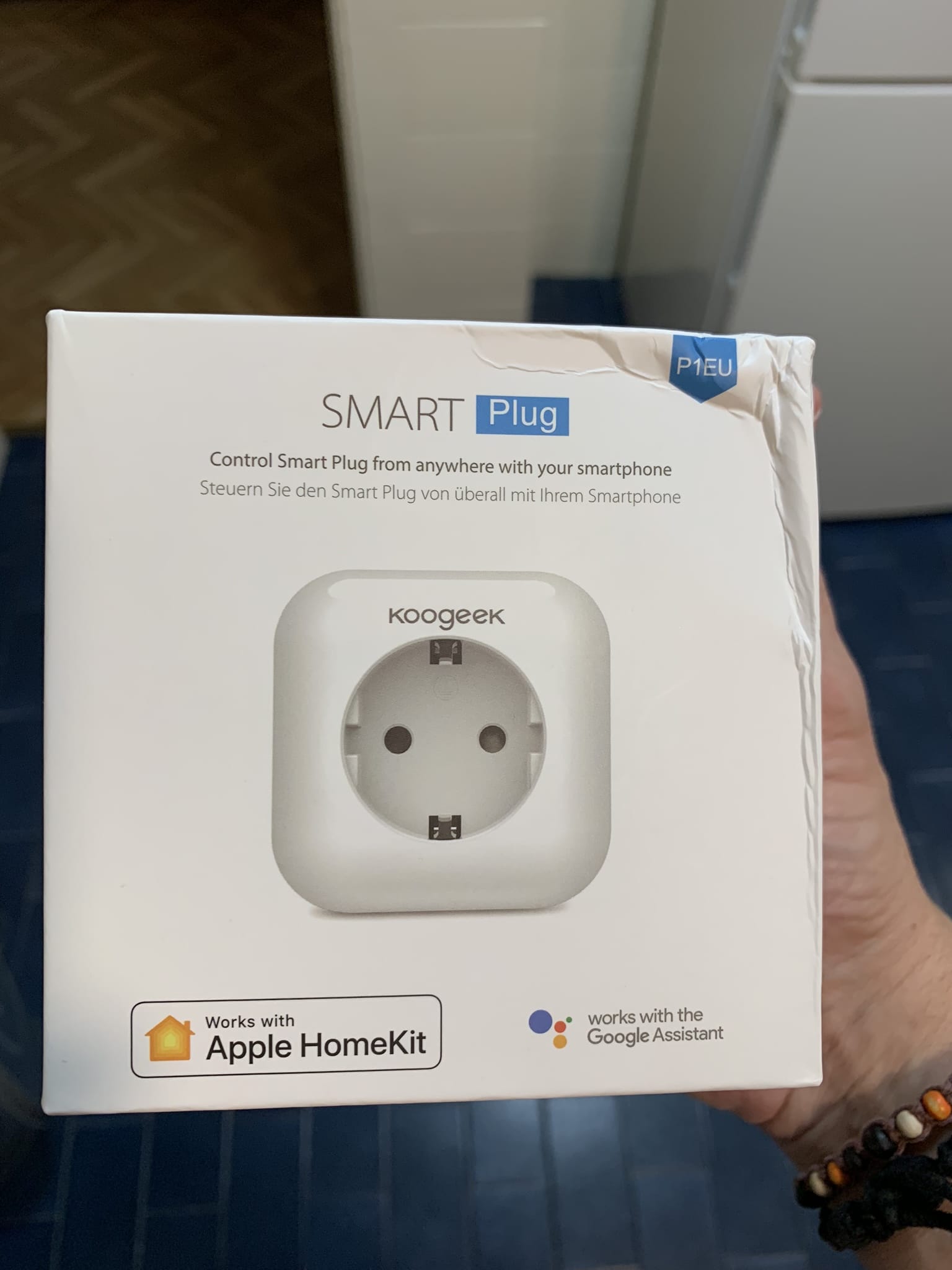
To control a few lamps or the bathroom heater, the kids’ console and things like that, I have Eve plugs, which are also Thread and Matter. Even so, you can find the Eve smart plug at Macníficos for €39, which strikes me as a great price 😀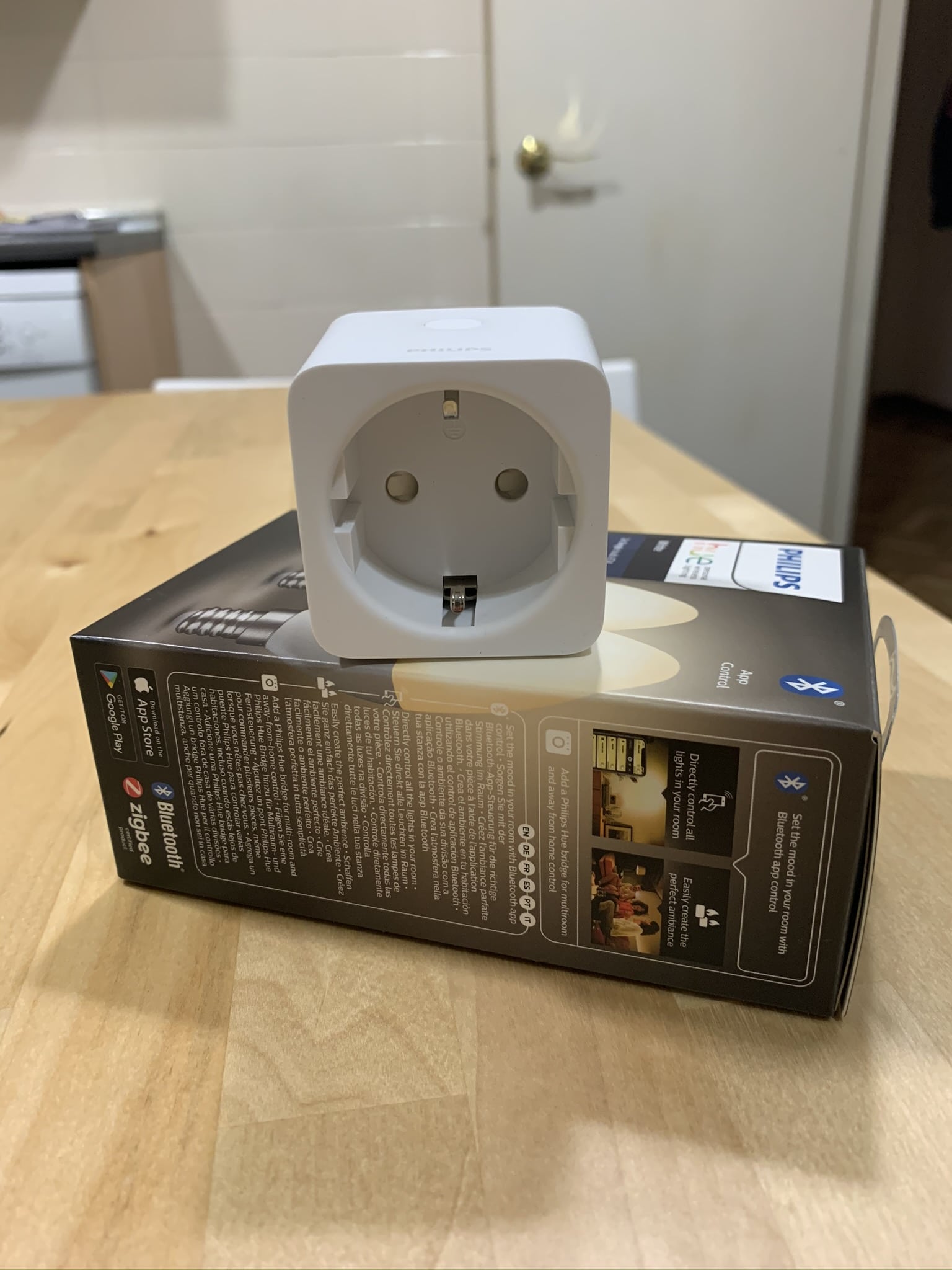
Door and window sensors
Since I’m an idiot, on the front door I have 2 open-door sensors, the Eve one, which works wonderfully and is Thread and Matter we can also find at Macníficos for €49, and it has both Thread and Matter technology… and the new Aqara P2, which costs €32 on Amazon, also Thread and Matter. As you can see, both work equally well, so go with the Aqara one and save yourself a few euros.Smart buttons
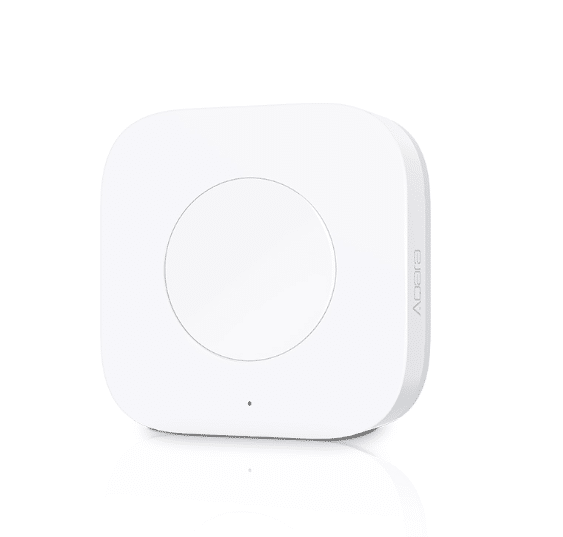
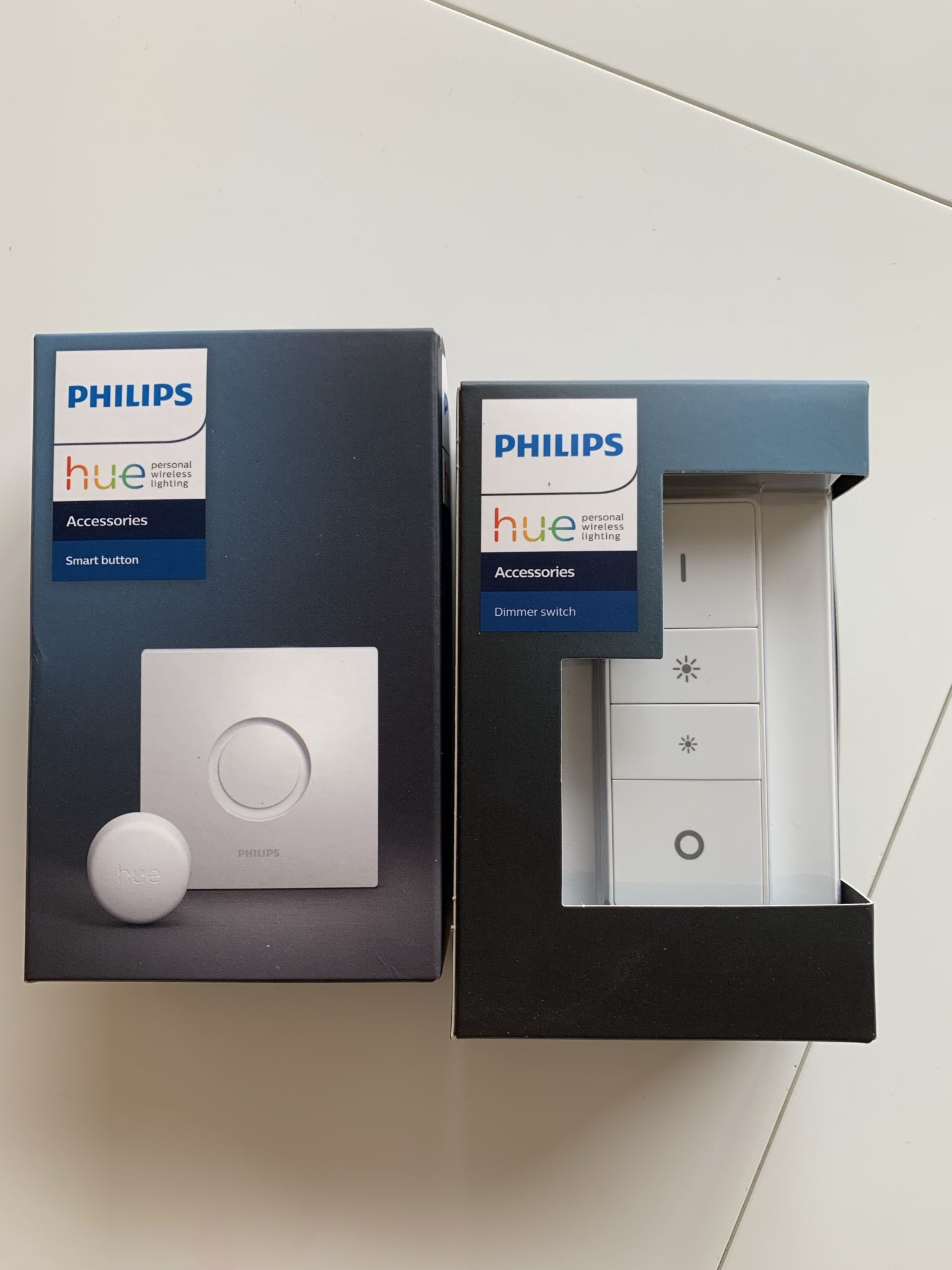
We have the Onvis, which you can find for €39 on Amazon with a 15% discount, and which is also Thread and Matter, for automating a few quick actions. In my case I use them for the lamps, since I put a smart bulb in them, so I can turn them on and off from the button without cutting the power, and set it so that, for example, at night it turns on at 20% and during the day it turns on at 100%. Aqara, Shelly, Sonoff and even Philips Hue also have their own buttons, some prettier than others, but all of them are Zigbee for now, so we can’t include them in this list.
Smart locks
As you know, in the Telegram group we work with a locksmith who adapts the Tedee smart lock and puts together a kit with the cylinder and the escutcheon, so you leave your home as secure as a castle and with one of the best smart locks out there… but it isn’t Matter, so this time we’re not going to talk about the Tedee… in fact, on the official Matter alliance page the company isn’t even registered, so it doesn’t look like the locks are going to get updated anytime soon. However, the 4th-generation Nuki Pro is now Thread and Matter compatible, which is awesome! You no longer need the Nuki Bridge to be able to open your house remotely in case someone arrives. You no longer need to link it through its own app. You no longer need spells like the ones you used to need before to tell apart opening the door from unlocking the door. Honestly, all of this has improved a lot! It’s true that the Tedee’s battery lasts much longer and it’s a bit quieter, but in terms of security there’s no difference at all, and the Nuki is Matter-compatible, so I’d go with this one. We’ve got it on sale on Amazon for €229, which is a really great price.Smart vacuums
Surprised by this section, right? There’s actually a catch here, because when version 1.2 of the Matter standard was released, the folks at Switchbot said they were launching the K10+ model, Matter-compatible. Actually the vacuum itself isn’t Matter-compatible… but Switchbot’s little Bridge or Hub is, so if you have the bridge then the vacuum is Matter-compatible. Oh sure, and if my grandma had balls she’d be my grandpa. In the end you depend on a bridge, which is exactly what we’re trying to avoid, so it’s left out of the recommendations. And then we have the folks at Roborock with their top-of-the-range model, the S8 MaxV Ultra (they went a bit overboard with the name, I would’ve called it «16 turbo valves super saiyan Blue»), which you can find for 1500 little euros on Amazon… and which at some point will be Matter-compatible without needing a bridge according to what’s stated on the model’s webpage, but right now it still isn’t. It looks like compatibility will arrive via a firmware update… but I’ll tell you right now it’s not there yet, so it doesn’t really deserve a spot on this list either… but hey, if you need to buy a top vacuum right now and don’t know which one to pick, it might be a good idea to buy this Roborock model knowing it’ll be compatible soon.Security cameras
We’re reserving this section, but right now there’s no Matter-compatible camera out there 🙁Smoke detectors
There isn’t one either, we’re reserving the section and will expand on it later.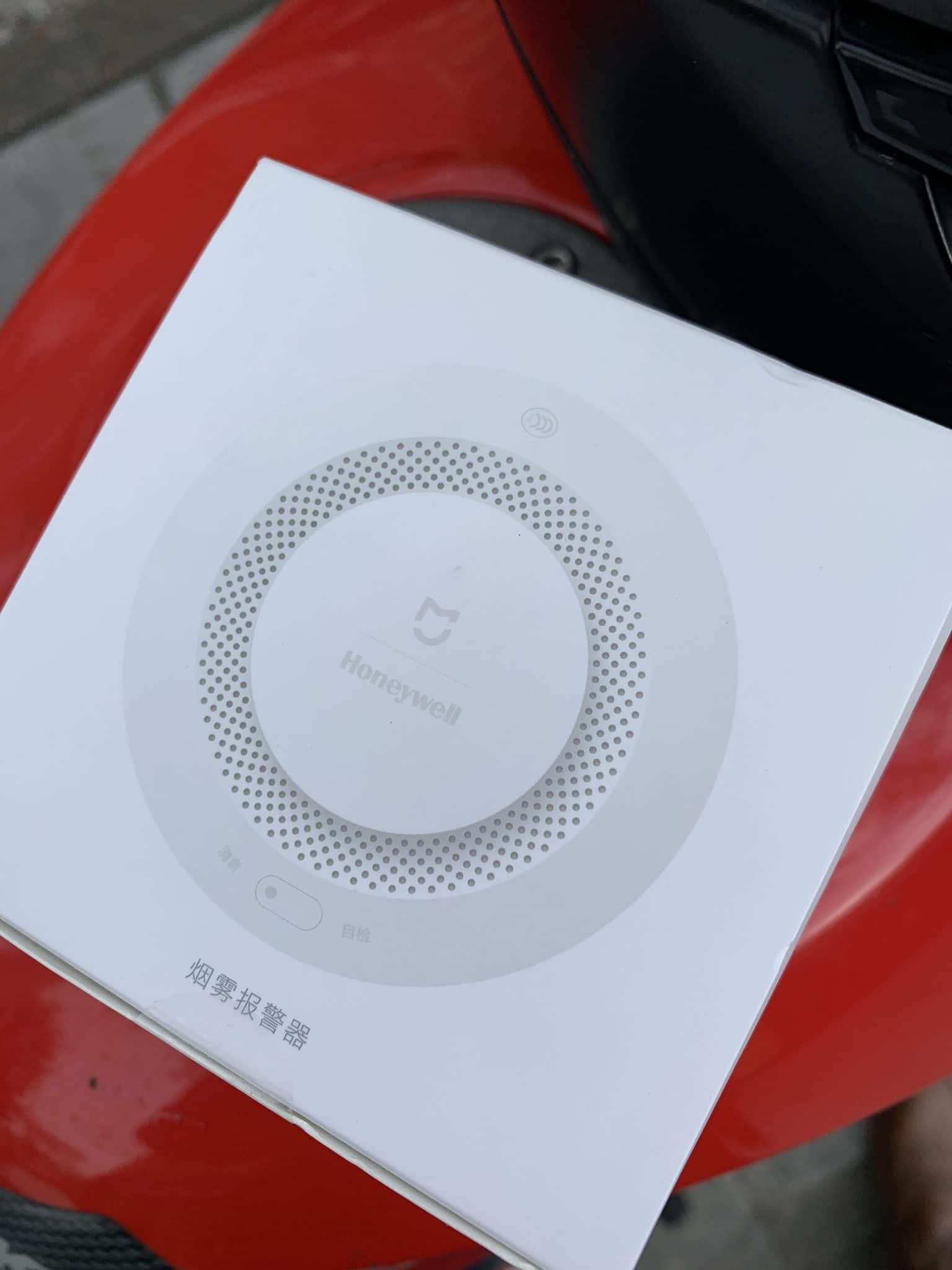
Water leak sensors
There are Zigbee ones, but Matter still isn’t there.
¿Necesitas ayuda con tu domótica?
Te ahorro tiempo, dinero y disgustos. Sesiones de consultoría desde 60€.